
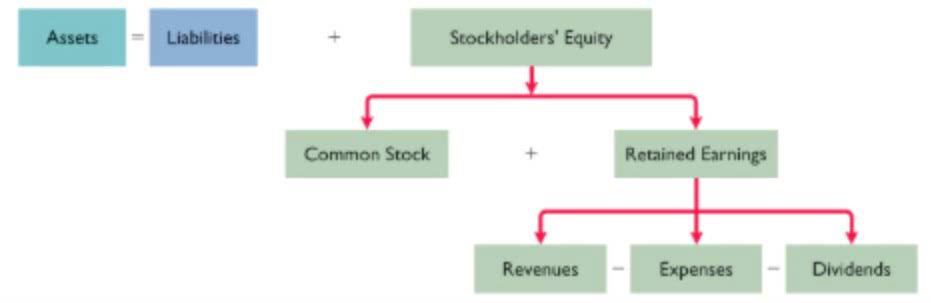
For example, suppose a company’s financial year ends on December 31, and employees have worked in December but will receive their salaries in January. Depending on the repayment period, notes payable might be short-term or long-term. For example, a company may give a promissory note to a bank to receive a loan to purchase new equipment. List short-term (current) liabilities first on your balance sheet. Record noncurrent or long-term liabilities after your short-term liabilities.

How are liabilities used in calculating a company’s net worth?
- Ensure that all entries for obligations are updated and accurately recorded.
- Understanding the criteria and measurement methods for liabilities helps organizations maintain a clear and confident financial position while facilitating informed decision-making.
- In addition, liabilities impact the company’s liquidity and, in the case of debt, capital structure.
- They are a crucial aspect of financial accounting, providing insight into an entity’s financial health and obligations.
- An operating lease is recorded as a rental expense, while a finance lease is treated as a long-term liability and an asset on the balance sheet.
- As per the modern classification of accounts or American/Modern Rules of accounting an increase in liability is credited whereas a decrease is debited.
Like income taxes payable, both withholding and payroll taxes payable are current liabilities. Income taxes payable is your business’s income tax obligation that you owe to the government. Accrued Expenses – Since accounting periods rarely fall directly after an expense period, companies often incur expenses but don’t pay them until the next period. The current month’s utility bill is usually due the following month. Once the utilities are used, the company owes the utility company. For a bank, accounting liabilities include a savings Bookkeeping for Chiropractors account, current account, fixed deposit, recurring deposit, and any other kinds of deposit made by the customer.
Managing Liabilities

A company with too many liabilities compared to its assets may face cash flow problems or increased financial risk. Understanding a company’s liabilities can also help assess its ability to meet debt obligations and the potential for future growth. In conclusion, liabilities play a crucial role in business operations, as they represent the financial obligations a company has to its employees, suppliers, lenders, and other stakeholders. Proper management of these liabilities is essential to ensure smooth business operations and long-term financial health. A chart of accounts organizes your finances into a streamlined system of numbered accounts.
FAQs On Liabilities In Accounting
Amortization of lease liabilities involves the gradual reduction of the liability over the lease term, reflecting principal and interest payments. This is calculated using the effective interest method, impacting financial indicators such as interest coverage ratios and operating cash flows. Liabilities also have implications for a company’s cash flow statement, as they may directly influence cash inflows and outflows. For example, a mortgage payable impacts both the financing and investing sections of the cash flow statement.
These expenses include items like salaries, taxes, utilities, and interest. A loan is considered a liability until you pay back the money you borrow to a bank or person. There are mainly three types of liabilities except for internal liabilities.
Can a chart of accounts be customized to fit specific business needs?
Leveraging AI Automation, Alaan ensures accurate reconciliation, categorisation of liabilities, and seamless integration with accounting platforms like Xero and QuickBooks. Ensure that all entries for obligations are updated and accurately recorded. With Alaan, businesses can streamline financial processes and reduce the risk of defaults—paving the way for cash flow operational stability and sustainable growth.
Having a better understanding of liabilities in accounting can help liability accounts you make informed decisions about how to spend money within your company or organization. FreshBooks Software is a valuable tool that can help businesses efficiently manage their financial health. Interest expenses may accrue on certain liabilities, representing the cost of borrowing.

Liability: Definition, Types, Example, and Assets vs. Liabilities
Here are a few metrics and key ratios that potential investors and management teams look at to perform a financial analysis. The primary classification of liabilities is according to their due date. The classification is critical to the company’s management of its financial obligations. Liabilities can help companies organize successful business operations and accelerate value creation. However, poor management of liabilities may result in significant negative consequences, such as a decline in financial performance or, in a worst-case scenario, bankruptcy. The measurement of right-of-use (ROU) assets reflects a lessee’s control over an asset during the lease term.